
There’s no single answer for every home, but most Scottish roofs stay in good shape with a clean every 2 to 3 years. That’s enough to keep moss and grime from settling while avoiding unnecessary wear.
If your roof sits under trees, faces north, or catches a lot of rain, you may need a light clean every year. Homes in drier or sunnier spots can often wait longer between cleans.
The key is to watch for changes dark streaks, clumps of moss, or overflowing gutters mean it’s time.
General guidelines for frequency
Here’s a quick guide many Scottish homeowners follow:
Roof Material | Typical Cleaning Cycle | Notes |
Slate | Every 2–4 years | Durable but grows moss in shade |
Clay tile | Every 2–3 years | Needs careful soft washing |
Concrete tile | Every 2 years | Absorbs moisture fast |
Metal | Every 4–5 years | Resists moss but needs rinsing |
Flat roof (bitumen or felt) | Every 1–2 years | Collects water and debris |
Cleaning regularly keeps tiles strong, stops leaks, and helps roofs last decades.
Recommended cleaning intervals for Scottish homes
Homes in Scotland’s west coast like Glasgow or Ayr see heavier rain, so moss builds up faster. An annual check is smart here.
In the east or Highlands, you can stretch it to every 2–3 years if your roof stays dry and gets sun. Urban areas collect less organic debris but more soot, so a quick rinse helps keep tiles clean.
Try this routine: inspect each spring, clean every 2–3 years, and apply a moss treatment every few seasons to delay regrowth.
Why some roofs need cleaning more often
- Trees near the house: Fallen leaves hold moisture and feed moss.
- North-facing roofs: Less sunlight means longer dampness.
- Older tiles: More porous, so they trap water and algae.
- Coastal areas: Salt and wind wear away protective layers faster.
If you tick two or more of these boxes, clean every year or two.
Think of it like servicing your car a small effort that saves big money later.
Why roof cleaning matters in Scotland’s climate
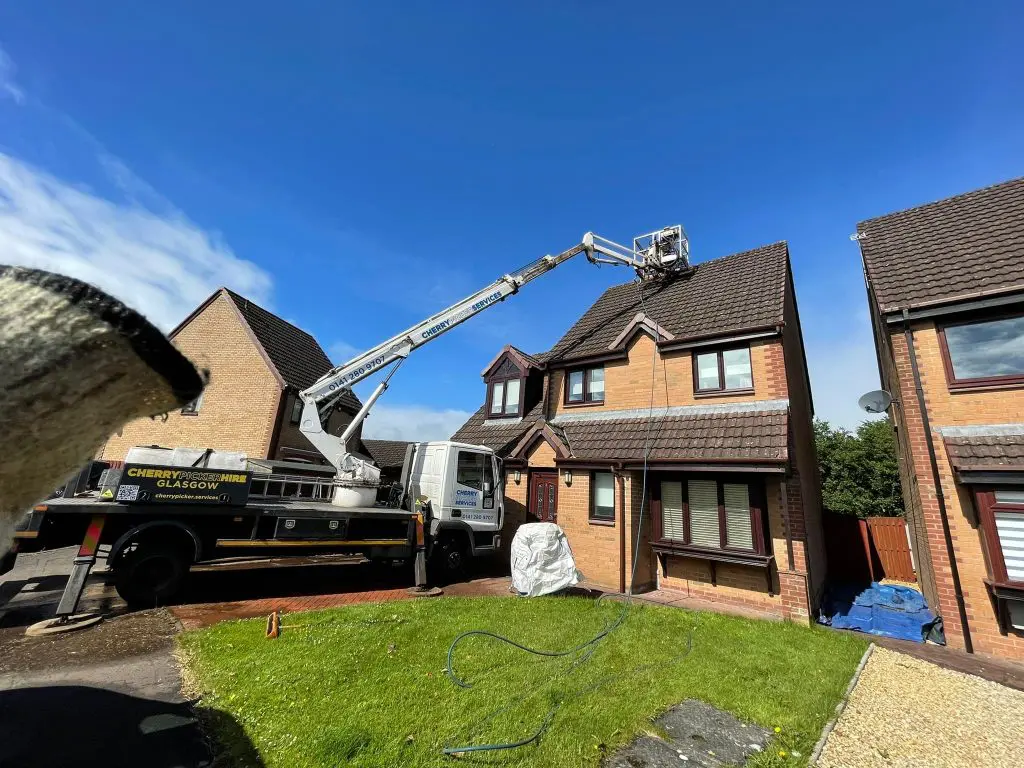
Your roof works hard every day. It faces rain, wind, frost, and moss especially in Scotland, where the air stays damp most of the year. Keeping it clean isn’t just about looks. It’s about protecting your home, your energy bills, and your peace of mind.
A clean roof can last years longer than one covered in moss and dirt. Moss holds moisture that seeps into tiles and cracks them over time. Blocked gutters cause leaks and damp patches indoors. Regular cleaning helps avoid all that hassle and saves money on repairs later.
What happens when you don’t clean your roof
When moss takes hold, it spreads quickly. It traps rainwater, lifts tiles, and blocks your guttering. Over time, that extra moisture seeps underneath, damaging the felt or wood beneath the tiles.
You might notice green clumps on tiles, black streaks, or rainwater spilling over the sides. That’s your roof asking for help. Ignoring it only makes the problem worse: more moss, more water, and more damage.
How Scotland’s weather influences roof maintenance
Scotland’s weather changes fast. The mix of heavy rain, shade, and cool air creates perfect conditions for moss, algae, and lichen. North-facing roofs or homes surrounded by trees grow moss faster because they get less sunlight.
In coastal towns, salt and wind wear down surfaces too. That means roofs here often need cleaning more often than in drier parts of the UK.
Think of it like this: a roof in Inverness or Glasgow faces double the moisture of one in London. So, it makes sense to check and clean it more regularly.
What factors affect how often you should clean your roof?
Every roof ages differently. The rate of moss growth, staining, and wear depends on where you live and what your roof is made of. Knowing these factors helps you plan cleaning at the right time, not too often, not too late.
Roof material and build
Different materials react differently to Scotland’s damp air.
- Slate roofs handle moisture well but still grow moss where shade lingers.
- Clay or concrete tiles absorb water, so moss settles fast if left unchecked.
- Metal roofs resist growth but can stain from rainwater deposits.
- Flat roofs collect puddles, meaning algae spreads quickly.
Choosing the right cleaning method depends on what covers your home. Soft washing suits most Scottish roofs better than high-pressure sprays.
Surrounding environment and vegetation
Houses near tall trees or woodland face faster moss buildup. Falling leaves hold dampness, and shaded roofs rarely dry out.
If your home sits in a valley or beside a loch, expect extra moisture and algae. Coastal homes see salt settling on tiles that speeds up staining. A sunnier, open roof in an urban street might need less cleaning but still gathers grime from pollution.
Orientation, slope, and exposure
A north-facing roof stays cool and shaded perfect for moss. A steep slope drains water faster, so it stays cleaner. Roofs facing south usually dry quicker and need less frequent cleaning.
Windy areas can help or hurt: breezes dry tiles, but they also blow dirt into gutters.
Age and condition of the roof
Older tiles are more porous and brittle. They soak up rainwater, giving moss a place to root. If your roof is over 20 years old, gentle cleaning every couple of years helps keep it healthy.
Newer roofs may last longer between cleans, but still benefit from inspection small cracks invite algae fast in Scotland’s damp weather.
Seasonal and weather influences
Scotland’s weather shifts between long wet winters and short dry summers. That means moss never really stops growing. Autumn leaves and winter frost cause extra buildup. A mild spring or summer clean keeps it under control before growth peaks again.
Checking after storms is smart too strong winds can lift moss, block gutters, and loosen tiles.
Signs your roof needs cleaning now

Your roof won’t shout for help, but it gives clues. Paying attention to them early saves time, stress, and money. Most of the time, you can spot the signs just by looking up.
Visual indicators, what you can see
Look for green or dark patches spreading across tiles. That’s moss, algae, or lichen taking hold. Black streaks often mean trapped moisture or pollution stains.
If your roof looks patchy or dull, that’s a hint it’s holding dirt. In Scotland’s damp climate, it only takes a few months for clean tiles to turn green again.
It’s smart to do a visual check once or twice a year, especially after a wet season.
Functional signs, how your roof behaves
A dirty roof doesn’t just look bad it starts to work less efficiently.
- Overflowing gutters: Moss or debris blocking water flow.
- Damp spots inside: Leaks starting from trapped moisture.
- Ponding or pooling: Flat roofs holding rainwater too long.
- Falling bits of moss: Growth so heavy that clumps break off.
If you notice any of these, your roof is overdue for cleaning. Acting early stops water damage before it spreads to ceilings or walls.
When to call a professional vs. light DIY
If it’s just a small patch of moss near the edge, you can use a soft brush or moss remover from the ground. Always stay safe, never climb onto the roof without proper gear.
But if moss covers large areas or if tiles are cracked, call a professional cleaner. They can inspect safely, use the right biocide treatments, and prevent damage to fragile tiles.
Local roof cleaners in Scotland often provide free roof checks before quoting, so it’s worth asking around.
How to clean your roof (and maintain it)
Cleaning a roof might sound simple, but doing it the wrong way can cause cracks, leaks, or broken tiles. The goal is to make it look clean and stay healthy without damaging anything. Whether you handle a few small patches or hire a pro, the method matters.
DIY approaches vs professional cleaning, what’s best?
You can clean small sections yourself, like brushing away loose moss or rinsing tiles with low pressure. But large roofs or steep pitches need trained hands.
DIY cleaning:
- Use a garden sprayer with moss remover.
- Rinse gently using a hose (never pressure wash tiles).
- Clear gutters after cleaning.
Professional cleaning:
- Soft-wash or biocide treatments that kill moss at the roots.
- Equipment to reach tricky spots safely.
- After-clean protective coatings to slow regrowth.
Hiring a professional in Scotland usually includes inspection, cleaning, and moss prevention in one go. It saves time and keeps tiles intact.
Recommended cleaning methods for Scottish roofs
Because of the damp climate, most Scottish experts use soft-wash systems. These mix gentle water pressure with cleaning solutions that lift dirt and kill moss. For very old roofs, a manual scrape removes growth before treatment. This avoids damage and keeps older tiles strong.
Some companies apply biocide sprays that keep moss away for two to three years, a smart choice if your area gets regular rain.
Preventative maintenance tips to extend cleaning intervals
You can make each clean last longer with a few easy steps:
- Trim overhanging branches to let sunlight reach your roof.
- Keep gutters clear so water drains quickly.
- Fit zinc or copper strips near the ridge, they release small amounts of metal that slow moss growth.
- Check your roof each spring and autumn for loose tiles or debris.
These small actions delay moss return and help your roof look fresh longer.
Best times of year to schedule cleaning in Scotland
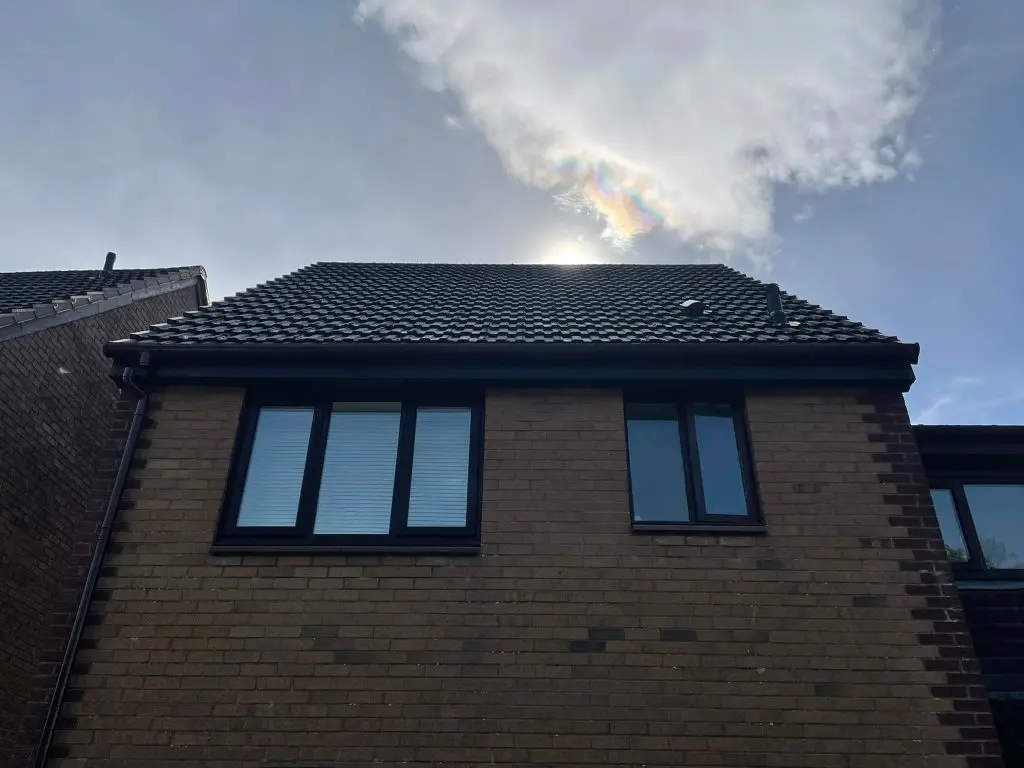
Scotland’s weather doesn’t always make outdoor work easy. But timing your roof cleaning can make the job safer and more effective. Some seasons help cleaning treatments work better and keep moss away longer
Spring: check for winter damage
Spring is one of the best times to clean. Winter storms leave behind debris, branches, and frost damage. A spring clean clears everything before new moss or algae start to grow. You’ll spot cracked tiles or loose flashing early, giving you time to fix them before heavy rain returns.
Summer: perfect for treatments
Warm weather helps cleaning solutions dry evenly. Moss killers and biocides work best when it’s mild and dry. Summer also makes it easier for roof cleaners to work safely without slippery surfaces. If you plan to book a professional, this is their busiest time, so schedule early.
Autumn: prepare for cold and wet months
Before winter arrives, clear fallen leaves and moss from tiles and gutters. Blocked gutters can cause leaks and ice buildup once temperatures drop. A quick autumn clean keeps your roof ready for storms and prevents heavy moss growth through winter.
Winter: inspect, don’t wash
Winter isn’t ideal for cleaning, it’s too wet, icy, and dangerous. Instead, inspect from the ground after storms to check for missing tiles or heavy moss patches. Plan your cleaning for spring when the weather improves.
How much does roof cleaning cost in Scotland?
Roof cleaning prices in Scotland depend on your roof’s size, shape, and the method used. On average, most homeowners pay between £400 and £900 for a full clean. Small bungalows might cost less, while larger or steeper roofs can reach £1,200 or more.
The cost often includes inspection, moss removal, soft washing, and sometimes a biocide treatment to stop regrowth. Some cleaners offer package deals that include gutter clearing or aftercare sprays.
You can try our bundle offer of Roof Cleaning Glasgow.
What affects the price
Here are a few things that can raise or lower the cost:
- Roof size and shape: A simple, single-slope roof costs less than a multi-level or complex design.
- Height and access: Taller homes may need scaffolding or safety equipment.
- Roof material: Slate and clay tile roofs take longer to clean safely.
- Condition: Heavy moss growth or blocked gutters add to labour time.
- Cleaning method: Soft washing or manual scraping costs less than high-pressure cleaning (and is safer).
Is it worth the investment?
Yes, cleaning your roof on time costs far less than repairing or replacing it. A neglected roof can lead to leaks, rotten wood, or cracked tiles, which can easily cost £3,000–£10,000 to fix.
Regular cleaning also improves your home’s appearance and can help maintain property value, especially when selling. It’s a small investment that protects one of your biggest assets.
Frequently Asked Questions
How often should I clean my roof in Scotland?
Most roofs in Scotland need cleaning every 2 to 3 years, but damp or shaded roofs may need it once a year. If moss returns quickly or gutters overflow often, that’s a sign to clean sooner.
Can I clean my roof myself, or should I hire a professional?
You can handle light moss or dirt from the ground using a sprayer or gentle rinse. But for a full roof clean, it’s safer to hire a professional. They have the right gear and use soft-wash systems that protect your tiles.
Will moss on my roof damage it?
Yes. Moss holds water and spreads across tiles, lifting them over time. That can cause leaks or cracked tiles, especially during frost. Cleaning it early prevents long-term damage.
What cleaning method is safest for Scottish roofs?
Soft washing is safest. It uses low pressure and a moss-killing solution to remove dirt gently. High-pressure washing can break tiles or strip protective coatings not worth the risk.
How can I stop moss from growing back?
Use a biocide treatment after cleaning. It keeps the surface clean for up to three years. You can also install copper or zinc strips near the ridge when it rains, they release particles that stop moss growth naturally.
What time of year is best for roof cleaning in Scotland?
Spring or summer works best. The weather is milder, making cleaning safer and more effective. Avoid winter, it’s too wet, slippery, and cold.
Keep your roof clean, dry, and ready for Scottish weather
A clean roof isn’t just about appearance, it protects your home. Regular cleaning keeps moss, algae, and dirt from damaging tiles or blocking gutters. For most Scottish homes, a clean every 2–3 years is enough, but wetter or shaded areas may need yearly care.
If you’ve noticed moss patches, dark streaks, or overflowing gutters, now’s the time to act. A quick inspection or gentle clean from Commercial Cleaning Scotland can prevent expensive repairs later.